


The main factors affecting the performance of reverse osmosis RO membrane
Jan 17, 2025
Leave a message
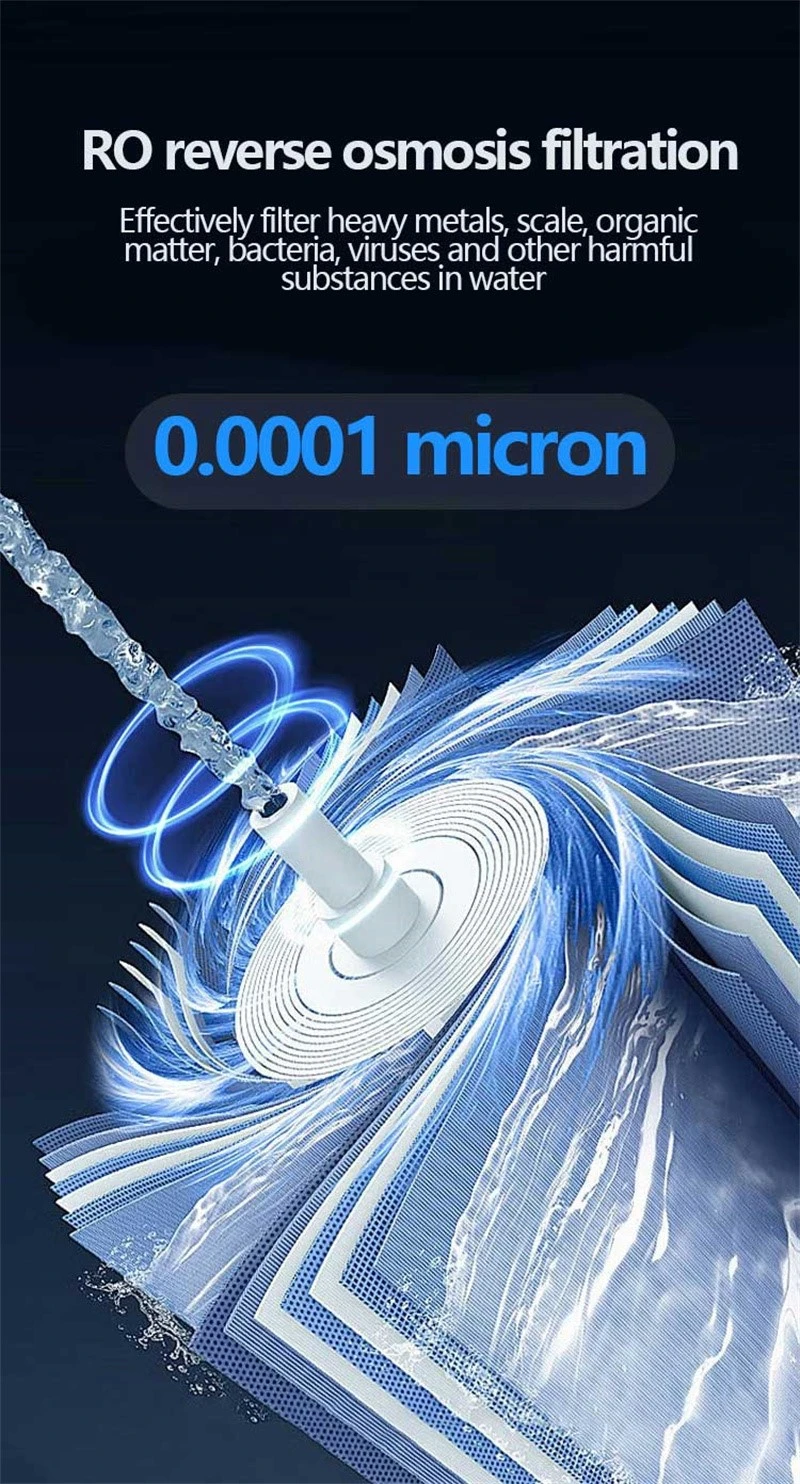
Reverse osmosis (RO) membrane technology has gained increasing popularity in water purification processes due to its ability to efficiently remove impurities and contaminants from water. However, despite its high efficiency, the performance of RO membranes can be affected by various factors. These factors can impact the overall efficiency and effectiveness of the RO system, thereby affecting the quality and quantity of the purified water. This article aims to explore the main factors affecting the performance of RO membranes.

1. Water quality
The quality of the feed water is the most significant factor that affects the performance of RO membranes. The quality of the water includes pH, total dissolved solids (TDS), hardness, and temperature. Water quality can have an impact on the membrane as it can cause fouling, scaling, or degradation. For instance, high TDS or hardness in water can lead to scaling on the surface of the RO membrane, thereby affecting its performance.
Moreover, pH also plays a critical role in membrane performance. Feeding water with a pH beyond the tolerance range of the membrane can cause damage, decrease in efficiency, and compromise the integrity of the membrane. A pH of 7.0-7.5 is considered optimal for RO membrane performance.
2. Membrane age
The age of the RO membrane is another critical factor affecting the performance of the system. Over time, the membrane's performance degrades, and its rejection capacity decreases. Therefore, the system should be regularly monitored and maintained to ensure its optimal performance. Regular cleaning and replacement of the membrane can prolong the life of the system and maintain the quality of the purified water.

3. Feed water pressure
Feed water pressure significantly affects the performance of RO membranes. Reduced feed water pressure can result in lower water recovery, reduced permeate flow, and reduced salt rejection. Feed water pressure should be maintained at an optimum level to ensure efficient water recovery and high-quality water production. The recommended feed water pressure for maximum efficiency is around 65-80 psi.
4. Membrane fouling
Membrane fouling is a significant concern in RO membrane performance and efficiency. Fouling can occur due to the accumulation of suspended solids, biological matter, or mineral deposits on the membrane surface. These deposits can clog the membrane pores, reducing its ability to filter impurities and contaminants effectively.
To prevent fouling, proper pretreatment must be implemented. The pretreatment process includes sediment filtration, media filtration, and activated carbon filtration. The goal of this pretreatment is to remove suspended solids, organic matter, and chlorine to prevent fouling.
5. Membrane scaling
Scaling is another significant issue that affects the performance of RO membranes. It occurs when minerals in the water precipitate on the surface of the membrane, forming crystals that reduce the membrane's permeability and efficiency. Scaling typically occurs in hard water regions where water contains high concentrations of calcium and magnesium ions.
To prevent scaling, antiscalants are added to the membrane feedwater. Antiscalants prevent the precipitation of minerals on the membrane surface, preventing scaling and ensuring the optimal performance of the system.
6. Temperature
Temperature also affects the performance of RO membranes, where low temperatures reduce the efficiency of the membrane, reducing the production rate of the system. Therefore, it is essential to maintain optimal operating temperatures to ensure high-quality water production. The ideal operating temperature for RO membrane systems is usually 25-30 degrees Celsius.
In conclusion, the performance of RO membranes is impacted by several factors. Water quality, membrane age, feed water pressure, membrane fouling, membrane scaling, and temperature are the main factors that affect the performance of the system. To maintain maximum efficiency and optimal performance, it is critical to ensure proper pretreatment and to maintain the system through regular cleaning and membrane replacement. By addressing these factors, RO membrane systems can produce high-quality water efficiently and economically.