

How do I store a home RO water filter when not in use?
Dec 30, 2025
Leave a message
How do I store a home RO water filter when not in use?
As a reputable supplier of home RO water filters, I understand the importance of proper storage for these essential household appliances. When you're not using your home RO water filter, whether it's a short - term break or a long - term storage scenario, taking the right steps can significantly extend its lifespan and ensure optimal performance when you start using it again.
Short - term Storage (Less than 2 weeks)
If you're only going to be away for a short period, say less than two weeks, the process is relatively straightforward. First and foremost, turn off the water supply to the RO system. This simple step prevents any potential water leaks or damage during your absence. You can typically find the water shut - off valve near the inlet of the RO water filter.
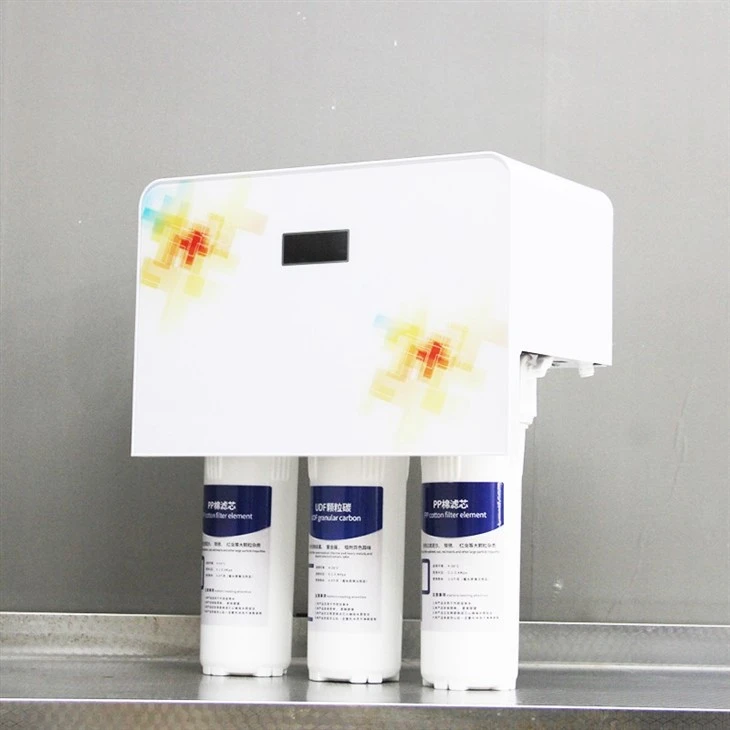
Next, drain any remaining water from the system. This helps prevent the growth of bacteria and mold within the pipes and chambers. To drain the water, you can open the faucet connected to the RO system until no more water flows. You also have the option to gently press some of the air - purge valves available on many of our RO models, such as the 75gpd 5 Stage RO Water Purifier, to release any lingering water.
Keep the RO system in a well - ventilated area. Even for short - term storage, proper ventilation reduces the risk of moisture buildup, which can lead to corrosion and other issues. A room with normal room temperature and good air circulation is ideal. You don't need to cover the system unless there's a significant dust problem in the storage area. A light dust cover, like a clean cloth, can be sufficient in such cases.
Long - term Storage (More than 2 weeks)
For long - term storage, more comprehensive steps are required. Start with a thorough cleaning of the RO system. Remove all the filters from the housing. The pre - filters, such as sediment and carbon filters, can be gently rinsed under running water to remove visible debris. However, the reverse osmosis membrane is more delicate. For models like the 5 - level Reverse Osmosis Water Purification System, soak the RO membrane in a food - grade, membrane - safe preservative solution following the manufacturer's instructions. This preserves the membrane's integrity and prevents fouling during storage.
After cleaning the filters, drain all the water from the system completely. Open all the valves, including the drain valve and the faucet connected to the RO system. Let the system air - dry for several hours to ensure that no moisture remains.
Once the system is dry, store the individual components separately. The filters should be placed in sealed plastic bags to protect them from dust and moisture. Label each bag with the name and type of the filter for easy identification when you're ready to reinstall them.
The RO membrane, if removed, should be stored in a container filled with the preservative solution and sealed tightly. It's crucial to check the solution periodically and replace it if it appears cloudy or if the expiration date on the preservative product is approaching.
For the rest of the RO system housing and pipes, you can store them in a cool, dry place away from direct sunlight. High temperatures can cause the plastic components to warp or degrade over time. A basement or a closet, as long as they are dry, can be suitable storage locations.
Common Mistakes to Avoid
One of the most common mistakes people make when storing home RO water filters is neglecting to drain the water properly. Standing water inside the system can lead to the growth of harmful bacteria, algae, and mold. These microorganisms can not only damage the system components but also pose a health risk if the system is used later without proper cleaning.
Another mistake is storing the filters and the system in a dirty or damp environment. Dust can clog the filters, and moisture accelerates corrosion. Avoid storing the RO system in areas prone to flooding, such as basements with poor drainage.
Tips for Reactivating the RO System after Storage
When you're ready to start using the RO system again, whether it was in short - term or long - term storage, follow these steps for a smooth reactivation. First, reinstall all the filters. Make sure they are inserted correctly and that the seals are tight to prevent any leaks.
If the RO membrane was stored in a preservative solution, rinse it thoroughly with clean water to remove any traces of the preservative before reinstalling it.
Next, turn on the water supply slowly. Check for any leaks around the connections and valves. Let the system run for a few minutes without collecting the purified water initially. This flushes out any residual air, dust, or preservative from the system.
After the initial flush, start collecting the purified water and test its quality. You can use a simple water quality testing kit to ensure that the RO system is functioning properly and producing clean, safe water.
Why Choose Our Home RO Water Filters for Extended Use
At our company, we offer a wide range of high - quality home RO water filters, including the 100G Household RO Water Filter. Our products are designed with durability in mind, making them suitable for both regular use and periods of storage. We use advanced filtration technologies and high - grade materials to ensure that our RO systems can withstand the rigors of extended storage and continuous operation.
Moreover, our customer support team is always available to provide guidance on proper storage and maintenance. Whether you're a first - time RO system user or an experienced homeowner, we're here to assist you in getting the most out of your investment.
If you're interested in purchasing a new home RO water filter or have questions about the storage and maintenance of your existing system, don't hesitate to reach out. Our sales team is ready to discuss your specific needs, offer product recommendations, and provide you with a competitive quote. Contact us today to start your journey towards cleaner, healthier water.
References
- "Water Filtration and Purification Handbook" by some water treatment experts.
- Manufacturer's manuals of our home RO water filter products.