

What is the flow rate of a typical reverse osmosis filter?
Dec 31, 2025
Leave a message
What is the flow rate of a typical reverse osmosis filter? That's a question I get asked a lot as a supplier of Reverse Osmosis Filters. In this blog, I'll break down what flow rate means, what a typical flow rate looks like, and how it impacts your water purification needs.
Let's start with the basics. Flow rate, in the context of a reverse osmosis filter, refers to the amount of purified water the system can produce over a given period. It's usually measured in gallons per day (GPD) or liters per hour (LPH). Why does this matter? Well, it directly affects how quickly you can access clean, filtered water. If you have a large family or a high demand for purified water in your household or business, a higher flow rate is essential.
So, what's a typical flow rate for a reverse osmosis filter? In general, residential reverse osmosis systems have flow rates ranging from 50 GPD to 150 GPD. A 50 GPD system is suitable for a small household with one or two people. It can produce enough purified water for drinking, cooking, and basic daily needs. On the other hand, a 150 GPD system is better for larger families or households where there's a greater demand for clean water.
Now, you might be wondering why there's such a difference in flow rates. It boils down to the design and components of the reverse osmosis system. Higher-flow systems usually have larger membranes and more powerful pumps. These components allow the system to process water more quickly and produce a greater volume of purified water.
But a higher flow rate isn't always necessary. If your water usage is relatively low, a lower-flow system can save you money upfront and in the long run. Lower-flow systems are usually less expensive to purchase and operate because they require less energy to run.
Let's talk about how flow rate can impact your daily life. Imagine you're making a big pot of soup for dinner, and you need a large amount of purified water right away. If you have a low-flow reverse osmosis system, you might have to wait a while for it to produce enough water. This can be frustrating and inconvenient. On the other hand, if you have a high-flow system, you can get the water you need in no time.
Another factor to consider is the tank that comes with the reverse osmosis system. Some systems have a storage tank that can hold a certain amount of purified water. This can be useful because even if your system has a low flow rate, you can still access a large volume of water from the tank. However, the tank needs to be refilled, and the time it takes to refill depends on the flow rate of the system.
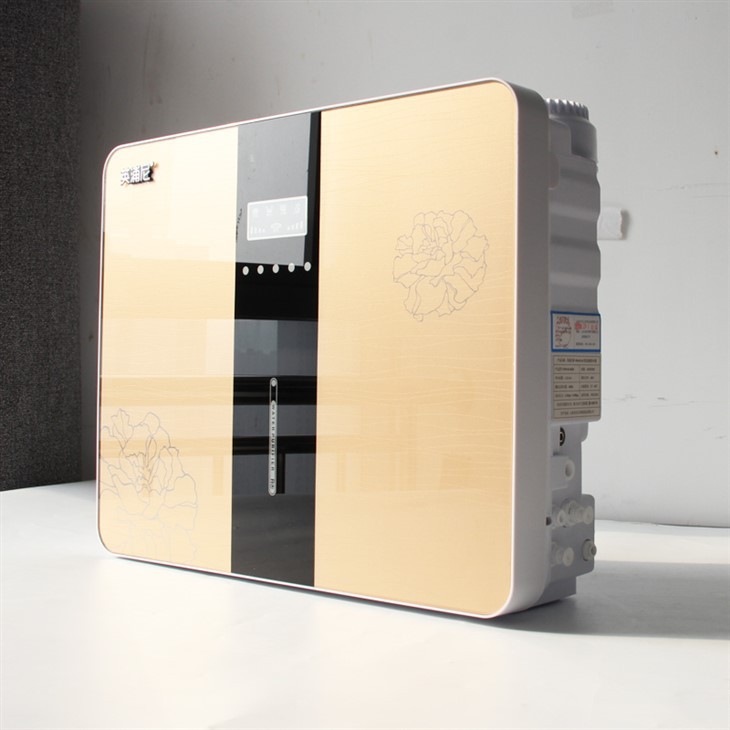
Now, let's look at some of the products we offer as a Reverse Osmosis Filter supplier. We have a great selection of RO Water Purifier For Home. These systems are designed for residential use and come in a variety of flow rates to suit different needs. Whether you have a small apartment or a large family home, we have a solution for you.
If you're looking for a more manual option, we also offer Manual Water Purifier. These are great for those who want a simple and affordable way to purify their water. While they might not have the highest flow rates, they're still effective at removing contaminants.
And for those who need a high-capacity system, our 100G Home Water Purification Equipment is a great choice. With a flow rate of 100 GPD, it can produce a large volume of purified water, making it ideal for large families or households with high water demand.
When choosing a reverse osmosis system, it's important to consider your specific needs and water usage. Don't just go for the highest flow rate available. Think about how much water you actually need and how quickly you need it. Also, consider the cost of the system, including the initial purchase price and the ongoing operating costs.
If you're still not sure which system is right for you, don't hesitate to reach out. As a supplier, we're here to help you make an informed decision. We can provide you with more information about our products, answer any questions you might have, and help you find the perfect reverse osmosis filter for your needs. Whether you're looking for a simple home system or a high-capacity industrial solution, we've got you covered. So, get in touch and start the conversation about getting the clean, purified water you deserve.

In summary, the flow rate of a typical reverse osmosis filter depends on its intended use and the size of the system. Residential systems typically range from 50 GPD to 150 GPD, and choosing the right flow rate is crucial for meeting your water purification needs. If you're in the market for a reverse osmosis filter, consider your water usage, budget, and other factors. And remember, we're here to assist you. Contact us for more details and to discuss a purchase.
References:
- Literature on reverse osmosis technology and water treatment from water purification industry magazines.
- Product documentation and technical specifications from leading reverse osmosis filter manufacturers.